

Will Solar Panels Damage My Roof?
Properly installed solar panels will not damage a roof, but the condition and type of roofing material matter. In Latham, asphalt shingle roofs are common, and these generally work well for solar installations when they’re in good shape. Problems usually arise if panels are installed over aging or damaged roofing. Fasteners that penetrate the roof deck, when correctly flashed and sealed, should not cause leaks. However, poorly executed installations risk water intrusion, especially during seasonal snow melt and freeze-thaw cycles typical in the region.
Before adding solar panels, assess whether the roof’s structure, age, and materials are ready. Replacing roofing that is near the end of its service life before a solar project could prevent the need for premature removal of panels later on.
How Do Local Climate and Roof Orientation Influence Solar Effectiveness?
Latham’s climate includes snowy winters and moderate summers. Solar panels function year-round, but heavy snowfall can temporarily reduce output. South-facing roofs often collect sunlight most efficiently, but east or west orientations can also be suitable depending on your goals. In neighborhoods with many trees or taller homes, shade is another key factor—solar panels work best with minimal shading.
Local homes with steep roof pitches can actually shed snow more easily, helping panels resume production sooner after storms. It’s worth considering how prevailing winds, nearby trees, or vent pipes might cast shadows or create challenges for snow removal.
How Old Should a Roof Be Before Getting Solar Panels?
It’s generally recommended that roofs are less than ten years old with at least ten to fifteen years of life remaining. Installing panels on an older roof often leads to extra costs down the road. If a roof needs repairs or replacement partway through the lifespan of your solar panels, the panels will need to be temporarily removed and reinstalled—a process that is both labor-intensive and costly.
Residents often ask whether it’s possible to reroof under existing solar panels. While minor repairs can sometimes be done, a full replacement almost always requires panel removal.
Do Solar Panels Impact Roof Warranties?
Roof warranties can be affected if installation is not performed according to manufacturer guidelines. Some warranties may become partially or fully voided if penetrations are not properly flashed and sealed. This is especially relevant for new or replacement roofs under warranty. Keep all documentation and consult your warranty to understand limitations, since local weather conditions (like heavy ice) can add extra wear not covered if solar installation isn’t up to standard.
What Permits or Local Requirements Might Apply?
In Latham, solar projects generally require building permits and may need to comply with fire safety and electrical codes. Roof-mounted systems often need approval from local inspectors to confirm they are securely anchored and don’t create hazards for firefighters. Homeowners may also need signoff from insurance providers.
Many neighborhoods in the area have homeowners’ associations, which sometimes have additional rules on solar panel placement or appearance, especially if panels are visible from the street.
How Do Solar Panels Affect Snow and Ice on My Roof?
Solar panels can change how snow accumulates and melts. Because panels are usually slicker and warmer than shingles, snow often melts faster and slides off, sometimes in sheets. Homeowners report “solar avalanches,” where accumulated snow slides suddenly, sometimes damaging gutters or piling up below. Snow guards can help control these slides, but they add complexity to installation, especially on pitched asphalt roofs favored in the city.
Ice dams aren’t usually made worse by properly installed solar panels, but improper mounting or poor insulation can create trouble zones. Since Latham winters can be icy, it’s wise to talk through these risks as part of your solar planning.
Are All Roof Types Suitable for Solar in the Area?
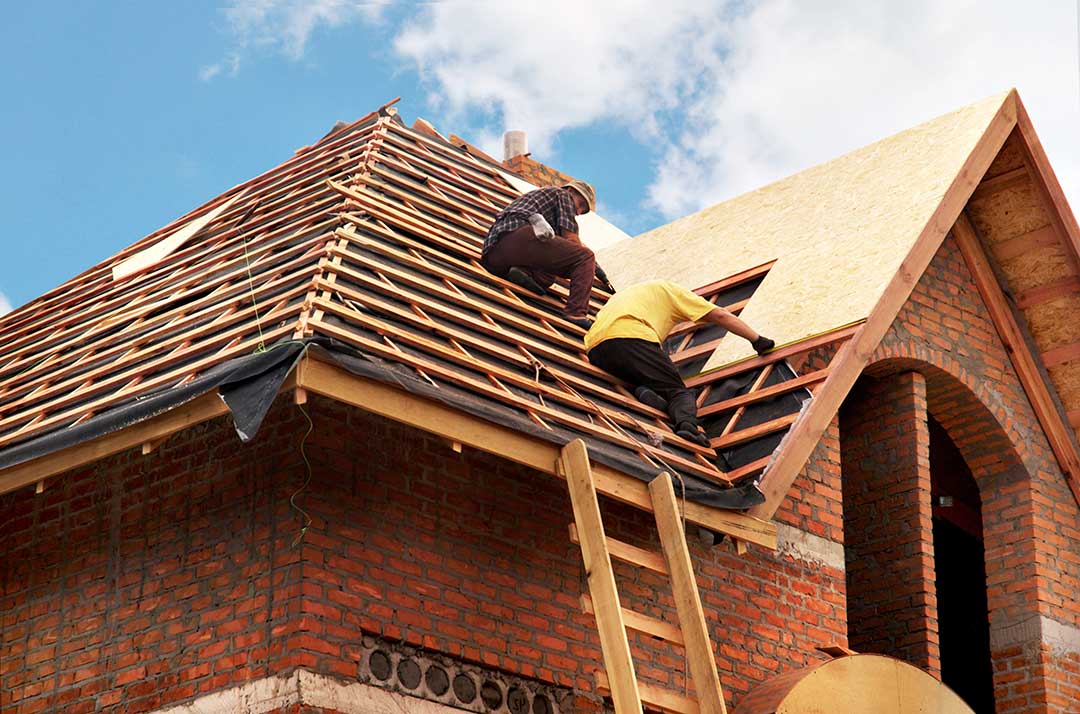
Most local homes have asphalt shingles, but some have slate, metal, or tile roofs. Asphalt shingle roofs are generally easiest to work with. Slate is more likely to crack, while standing-seam metal roofs often allow for non-penetrating mounts, reducing leak risk. If your home has a less typical roof material, additional planning or specialized mounting systems might be necessary.
Flat roofs, though less common, can sometimes host solar panels set at an angle using ballast systems—these can be a good fit for multifamily or commercial buildings.
What Should I Ask Before Committing to Solar?
Local residents benefit from asking these questions before proceeding:
- How much roof life remains, and is replacement needed?
- What steps will be taken to prevent leaks, and what warranty will cover this work?
- How will snow slides be addressed, if at all?
- What local permits or inspections are needed?
- Are there shade or vent pipe obstructions that will affect performance?
Misconceptions often include the idea that solar is only worth it for new roofs or that panels will always void a warranty; in reality, careful installation planning can preserve warranties and extend the life of both the roof and the panels.
