
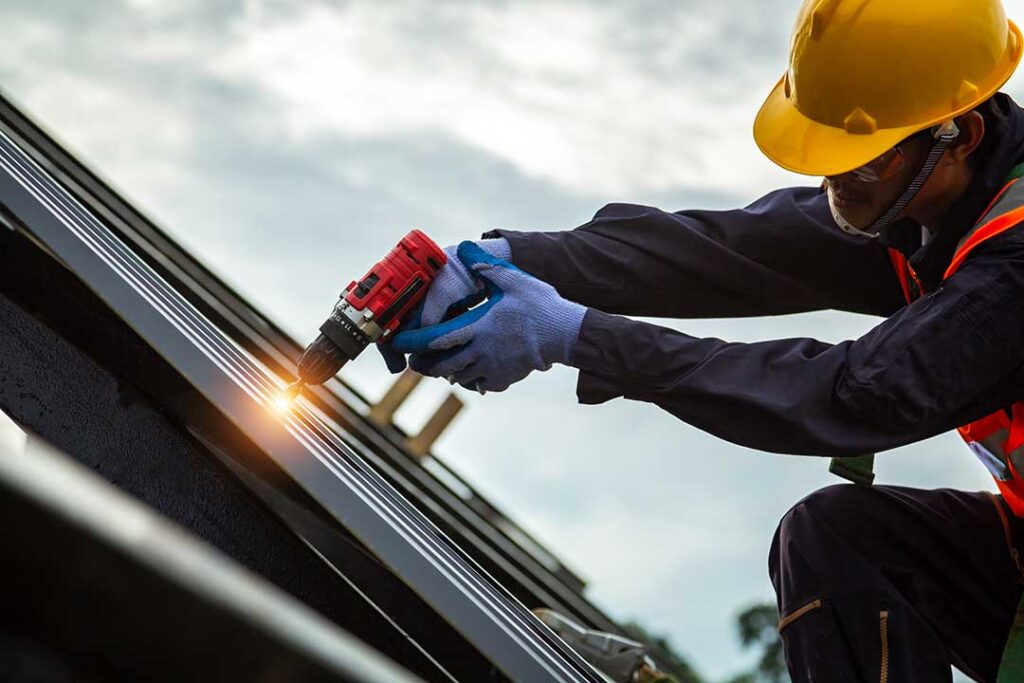
What can be recycled from an old roof?
In Latham, NY, some roofing materials can be recycled through construction-and-demolition debris facilities, but they generally do not belong in household curbside recycling. Asphalt shingles and roofing paper are the most commonly accepted roofing materials when they are clean, separated, and free of asbestos. ([dec.ny.gov](https://dec.ny.gov/environmental-protection/waste-management/solid-waste-management-facilities/construction-demolition-debris-processing?utm_source=openai))
Roof replacement debris may include several different materials:
- Asphalt shingles
- Roofing felt or roofing paper
- Metal flashing, gutters, and drip edge
- Aluminum or steel vents
- Unpainted wood decking or trim
- Plastic or rubber components
- Nails and other small amounts of incidental metal
These materials should be separated whenever practical. A recycling or recovery facility may accept one category but reject another, so mixing everything into a single load can make recycling more difficult.
Can asphalt shingles be recycled?
Yes. Clean asphalt shingles are commonly processed into material used in pavement and other construction applications. New York State allows registered construction-and-demolition debris handling and recovery facilities to receive uncontaminated asphalt roofing shingles and roofing paper that do not contain friable asbestos. ([dec.ny.gov](https://dec.ny.gov/environmental-protection/waste-management/solid-waste-management-facilities/construction-demolition-debris-processing?utm_source=openai))
Recycling is most feasible when shingles are:
- Kept separate from household garbage
- Free of large amounts of wood, insulation, soil, and general debris
- Not mixed with asbestos-containing material
- Delivered according to the facility’s load, packaging, and quantity requirements
Shingles removed during a typical roof replacement may contain nails. Some recycling facilities accept the nails because they can be removed during processing, but acceptance rules vary. It is wise to ask about nails before hauling a load.
Do not put roofing debris in the curbside recycling bin
Roofing shingles, felt, tar paper, flashing, and roofing underlayment should not be placed in a standard household recycling cart. Curbside programs are designed for specific packaging materials such as bottles, cans, paper, and cardboard. Roofing debris can damage sorting equipment, contaminate other recyclables, and create a safety hazard for workers.
Cardboard used to protect or bundle roofing materials may be recyclable if it is clean and dry. It should be separated from the roofing debris rather than placed in the same container.
How should old shingles be prepared?
Preparation affects whether the load can be recovered. Before transport, place the debris on a tarp or other protected surface so it does not spread across the property or wash into storm drains during rain.
A practical sorting process is:
- Separate asphalt shingles and roofing paper from other demolition debris.
- Remove large pieces of wood, insulation, siding, and household garbage.
- Keep metal flashing, gutters, and aluminum components in a separate pile.
- Set aside reusable materials such as undamaged metal panels, flashing, or hardware.
- Look for unusual debris, including paint cans, chemicals, batteries, or electronic equipment.
- Cover the load securely before transportation.
Cold weather, snow, and spring rain can make roof debris heavier and harder to handle. Materials should be kept as dry as possible, especially if a facility charges by weight or requires loads to be protected from blowing debris.
What about metal roofing, gutters, and flashing?
Metal roofing is often more suitable for scrap-metal recycling than for shingle recycling. Steel and aluminum panels, gutters, flashing, vents, and downspouts may have value as recyclable metal if they are reasonably clean and free of excessive attached materials.
Remove loose wood, plastic, insulation, and roofing cement where practical. Sharp edges should be folded, bundled, or contained to reduce the risk of cuts during handling. Metal roofing should not be assumed to belong in the same load as asphalt shingles because different facilities may process the materials separately.
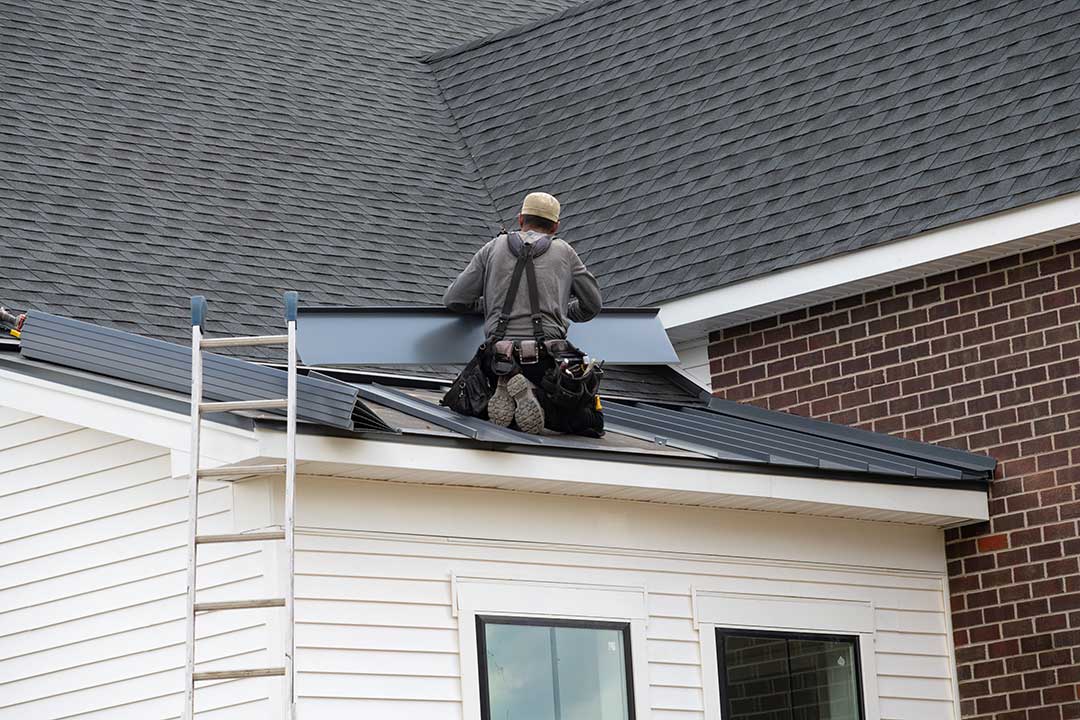
Small amounts of nails and other incidental metal may be accepted with construction debris, but loose nails should be contained so they do not create a hazard in a vehicle or on a driveway.
How can older or uncertain roofing materials be handled safely?
The main concern with older roofing materials is asbestos. Some roofing products, mastics, underlayments, and other building materials may contain asbestos, particularly in older structures. Roofing materials that may contain asbestos should not be broken, ground, swept up, or mixed with ordinary recyclable shingles.
New York’s construction-and-demolition debris rules distinguish asbestos waste from ordinary uncontaminated roofing debris. Registered recovery facilities may accept asphalt shingles and roofing paper only when the materials do not contain friable asbestos. ([dec.ny.gov](https://dec.ny.gov/environmental-protection/waste-management/solid-waste-management-facilities/construction-demolition-debris-processing?utm_source=openai))
If the age, composition, or condition of the roofing material is uncertain, avoid disturbing it until the material has been evaluated under applicable safety requirements. Suspect material should not be placed in a recycling bin, burned, or disposed of as ordinary household trash.
Is roof decking recyclable?
Wood roof decking may be recoverable if it is clean, unadulterated wood. However, painted, treated, coated, glued, or composite wood may be excluded from certain construction-and-demolition recycling streams. New York State identifies separate acceptance categories for uncontaminated, unadulterated wood and for asphalt roofing materials. ([dec.ny.gov](https://dec.ny.gov/environmental-protection/waste-management/solid-waste-management-facilities/construction-demolition-debris-processing?utm_source=openai))
Plywood, oriented strand board, and damaged framing should be kept separate from shingles. Facilities may have different rules for these products, particularly if they contain adhesives, coatings, or extensive water damage.
Reusable boards may have a second use for temporary protection or small projects, but warped, rotten, mold-damaged, or insect-damaged wood should not be reused in a structural application.
Where should residents check before hauling a load?
Recycling rules are facility-specific. A site may accept asphalt shingles but not roofing felt, or metal roofing but not mixed demolition debris. Some facilities serve commercial contractors rather than occasional household loads, and some require advance approval.
Before loading a vehicle, verify:
- Which roofing materials are accepted
- Whether residents may deliver small loads
- Whether shingles must be source-separated
- Whether asbestos-free documentation is required
- Whether nails, felt, tar paper, or attached wood are allowed
- The required vehicle type, covering, and unloading method
- Current fees, hours, and weight limits
The New York State Department of Environmental Conservation maintains information about construction-and-demolition debris handling and recovery facilities. It also directs residents to local recycling coordinators for community-specific guidance because recycling rules differ by municipality and county. ([dec.ny.gov](https://dec.ny.gov/environmental-protection/waste-management/solid-waste-management-facilities/construction-demolition-debris-processing?utm_source=openai))
What is the most responsible option for a small roofing project?
For a small repair, the most responsible approach is to prevent usable materials from becoming mixed waste. Save undamaged matching shingles for future repairs, separate clean metal, flatten clean cardboard, and keep suspect materials isolated. For a full replacement, source-separated delivery to an approved construction-and-demolition recovery facility may allow asphalt shingles, metal, and other materials to be handled through different recycling streams.
If recycling is unavailable for a particular material, use an authorized disposal route rather than placing it in curbside recycling, leaving it outdoors, burning it, or disposing of it in an unapproved area. Proper sorting protects workers, reduces contamination, and gives recoverable roofing materials the best chance of being used again.
