
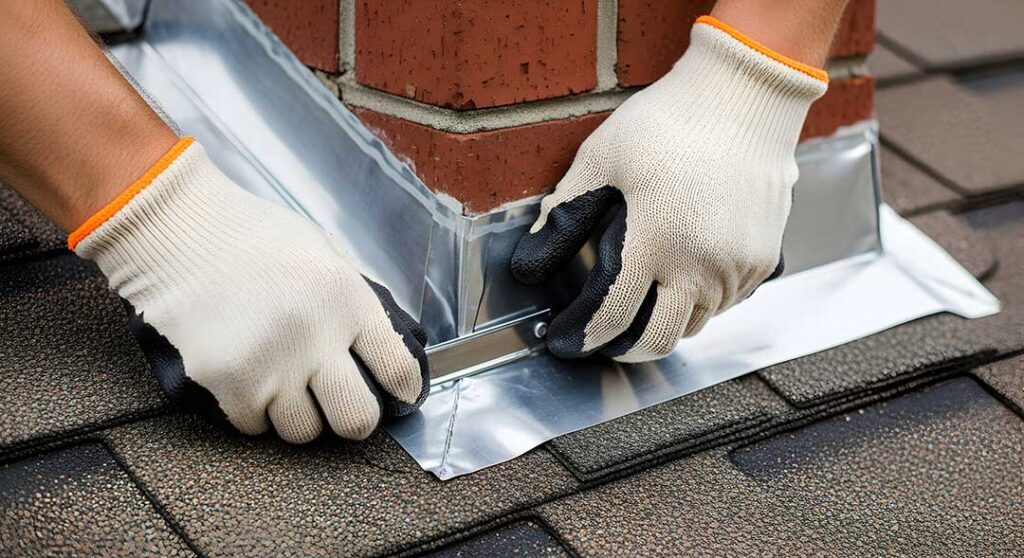
What Does Insurance Need to See for Roof Damage?
Insurance companies generally require clear, organized evidence that shows the cause, extent, and timing of roof damage. Insufficient documentation is one of the most common reasons claims drag on or are denied. Insurers in Latham, NY expect proof that damage was sudden (like from a windstorm or hail) and not the result of gradual wear or neglect.
Photos, written logs, weather reports, and repair history can all strengthen a claim.
How Should Photos of Roof Damage Be Taken?
Using photographs as evidence is the single most effective way to show damage, as adjusters may not visit right away (or at all).
When taking photos:
- Capture wide shots of the entire roof, then move closer to take detailed pictures of affected areas.
- Photograph any visible cause, like fallen branches or impact marks.
- Include interior photos if leaks enter the home (showing stains, wet spots, or damaged ceilings).
- Take at least one photo with a recognizable landmark or the house number visible for proof of location.
- For asphalt shingles, note if granules have washed off or pieces are missing.
- Document the date and time using your phone’s camera settings.
Avoid climbing onto a steep or icy roof; photos from the ground or attic are better than risking injury.
How Can Homeowners Create a Helpful Written Record?
Besides photos, a detailed log increases the credibility of a claim.
Start by making a clear, dated entry as soon as damage is noticed, including:
- Date and time the damage was first observed
- Recent weather events (e.g., high winds, hail, or heavy snowfall)
- Descriptions of visible problems—missing shingles, dented flashing, torn edges
- Noting any resulting problems (like water leaks or attic moisture)
If the situation develops over a few days (for instance, leaks getting worse during rain), add entries or updates. This written record helps bridge the gap between weather events and a visual inspection.
Which Weather Details Should Be Included?
Linking roof problems to a specific local storm or event is often crucial.
For households in Latham, summarizing relevant weather details covers:
- The date and type of weather event (e.g., “hailstorm on March 19”)
- Observed wind speeds or hail size (if safely known)
- Reference to local news reports or the National Weather Service site for backup on severe storms
This makes it easier for insurance reviewers to connect local climate factors to your specific loss.
What Common Documentation Mistakes Do Residents Make?
Many claims are delayed because of incomplete or unclear records. Some pitfalls to avoid:
- Waiting too long to take photos, especially after temporary repairs or clean-up
- Not documenting the roof’s condition before the damage, if available
- Forgetting to show both the big picture and close-ups
- Not describing the location of damage (for example, “rear left slope above the garage”)
- Missing receipts for emergency tarping or supplies if temporary repairs were necessary
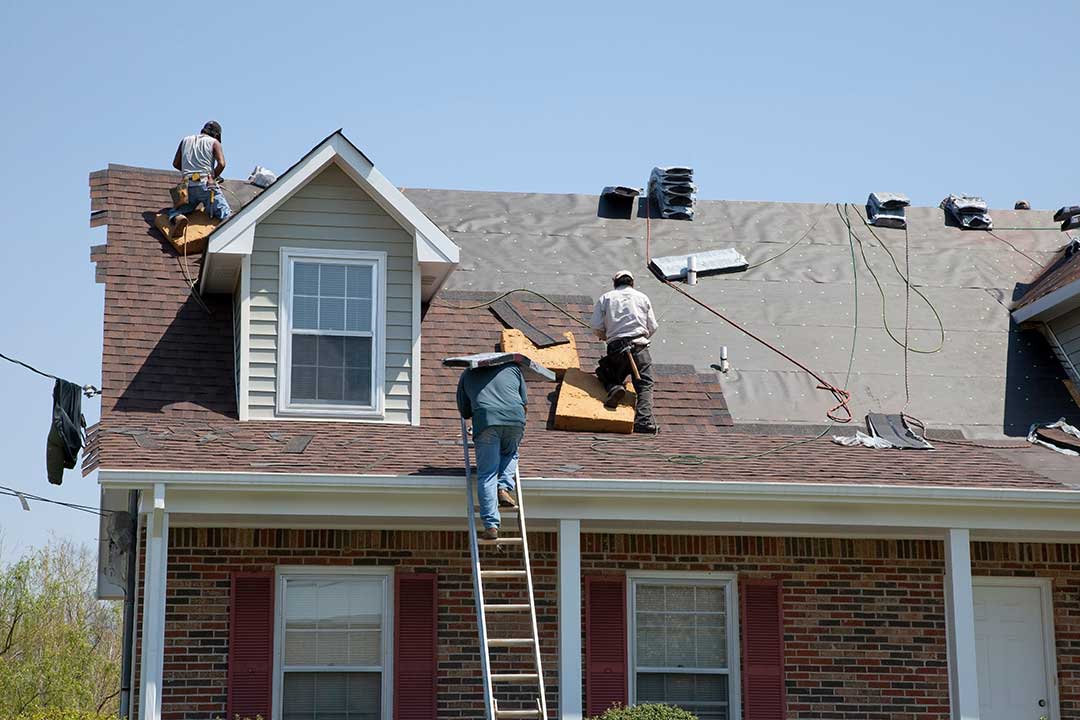
Careful, timely documentation helps the process go smoother and increases approval odds.
Should Old Repair Records or Inspections Be Included?
Providing evidence of past roof care reassures insurers that damage wasn’t due to neglect.
Include copies of:
- Previous professional inspection reports
- Repair receipts, such as for shingle replacement, flashing, or gutter cleaning
- Any correspondence related to roof maintenance
Without this paper trail, some claims are more likely to be questioned, especially for older roofs common in Latham neighborhoods.
What If a Temporary Fix Was Needed?
Local storms may force immediate tarping or patchwork to prevent further water intrusion.
If a fix was required:
- Take clear photos before, during, and after the emergency repair
- Keep receipts for any materials and note the date you took action
- Note in your log why the repair was urgent (for example, “rainwater coming through living room ceiling, tarp installed same day”)
Most insurance policies expect homeowners to protect their property from further damage but require proof that the original loss was sudden and not exacerbated by delays.
When Should Safety or Legal Requirements Affect Documentation?
Safety always comes first. Residents should avoid going onto the roof when conditions are hazardous (ice, snow, steep slopes, active storm).
In rare cases, if a local official has to inspect for emergency stabilization or declares unsafe conditions, note the agency and case number in your records.
Homeowners' ability to perform documentation can depend on Latham’s building codes or HOA rules; check local guidelines before starting repairs or demolition.
Why Is Documentation So Important for Roof Insurance Claims?
Clear, thorough documentation gives insurers confidence that claims are valid, honest, and traceable.
Incomplete or conflicting evidence leads to slowdowns and denials. For residents of this region, where winter storms and seasonal rains are common, being prepared to show what happened and when prevents disputes over coverage and makes recovery smoother.
