

Why Does Seasonal Roof Maintenance Matter in Latham, NY?
Seasonal roof maintenance helps protect homes from weather extremes and preserves the longevity of roofing materials. In Latham, NY, temperature swings, snowfall, rain, and humidity create unique challenges for homeowners. Local roofs are exposed to ice dams in winter, heavy spring rain, hot summer sun, and piles of autumn leaves—each season brings specific threats. By following a regular maintenance routine tailored to the area’s climate, residents can reduce the risk of leaks, damage, and costly repairs.
What Should Homeowners Look for Each Spring?
After northern New York winters, spring is a time to check for weather-related damage.
Start by visually inspecting your roof once the snow has melted:
- Look for missing, curled, or broken shingles, especially after freeze-thaw cycles.
- Check for damaged flashing around chimneys, skylights, and roof valleys.
- Clear debris from gutters and downspouts to ensure proper water flow.
- Examine attic spaces for signs of leaks or moisture, such as water stains or musty odors.
In Latham, snow can cause hidden problems like subtle leaks or loosening of roof components. Catching these early keeps small issues from growing over time.
How Does Summer Heat Affect Roofs in the City?
Summer brings high temperatures, UV exposure, and periods of heavy rain.
Key summer maintenance steps include:
- Checking for cracked or blistered shingles due to heat stress.
- Ensuring your attic is properly ventilated to prevent moisture buildup and reduce cooling costs.
- Inspecting again after summer storms for wind or hail damage.
- Cutting back overhanging branches to keep debris from collecting on the roof.
Local residents sometimes overlook the impact of humidity. In the city’s often muggy summers, poor attic ventilation can accelerate rot, mold, and the breakdown of roofing materials.
Are Fall Leaves and Debris a Serious Problem?
Fall foliage creates a picturesque canopy, but leaves can clog gutters and trap moisture.
To prevent roof and gutter issues:
- Remove leaves, pine needles, and twigs from gutters and roof valleys at least once during autumn.
- Inspect that gutters stay attached and free-flowing. Blocked gutters are a common source of winter ice dams and can cause water to back up under shingles.
- Complete a broader inspection before winter sets in: Look for moss, algae, or dark streaks, which indicate moisture can’t properly evaporate.
In older Latham neighborhoods with mature trees, gutters often fill quickly—regular attention helps prevent major problems when temperatures drop.
What Roof Maintenance Is Essential Before and During Winter?
Winter demands are unique. The build-up of ice and snow can threaten both the roof structure and its waterproofing.
To prepare for winter:
- Double-check for any areas where water could enter or refreeze.
- Confirm that attic insulation is adequate and evenly distributed. Uneven insulation can cause warm spots that promote ice dam formation.
- Inspect the roof’s edge for existing ice dam damage or weak spots.
- Safely remove lingering debris, since decaying matter under snow can hasten roof deterioration.
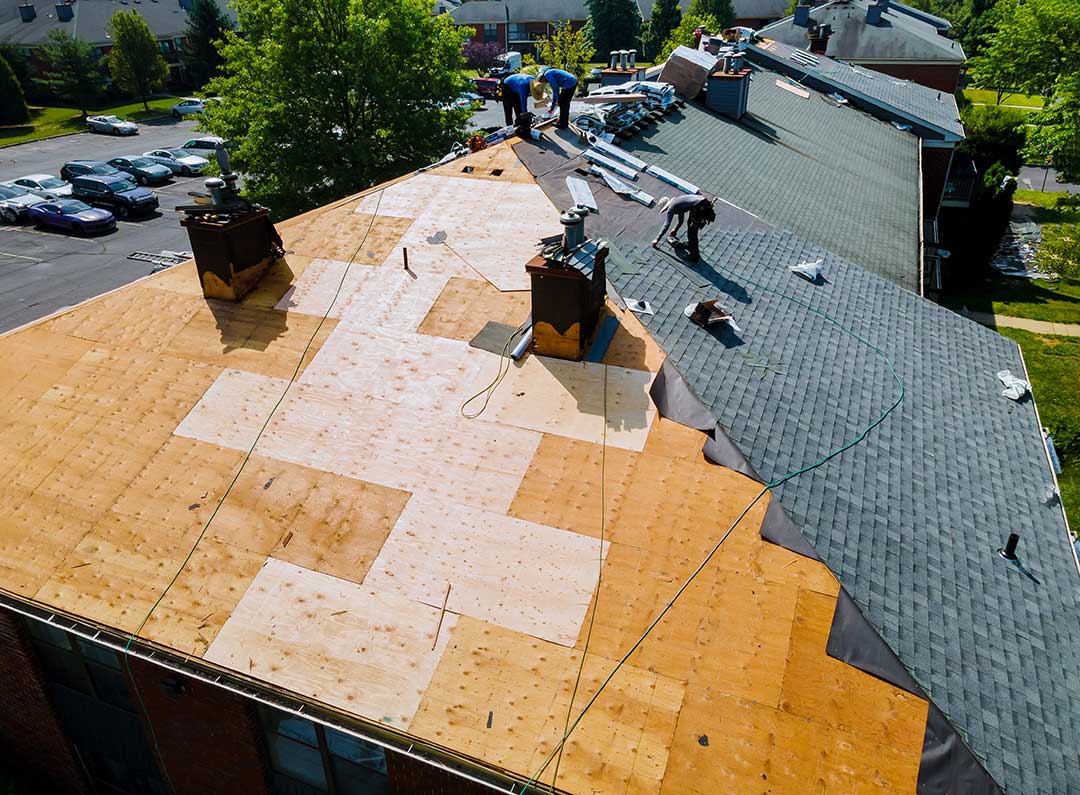
If roof access is icy or conditions are hazardous, postpone inspection until safe. Sometimes weight from snowfall, especially during a wet winter, strains roofing systems. Monitor for signs of sagging or unusual creaking inside your home.
What Mistakes Do Residents Commonly Make with Roof Maintenance?
Several mistakes are common:
- Ignoring small repairs, assuming they won’t worsen over time. In the city’s freeze-thaw cycles, tiny gaps can expand quickly.
- Using power washers to clean shingles, which can damage protective granules and shorten shingle lifespan.
- Neglecting attic checks. Some leaks only appear inside, especially after ice dams or driving rain.
- Clearing gutters only at the end of autumn. In areas with many trees, scheduling two or three cleanings each fall better protects the home.
Misdiagnosing stains or shingle discoloration as simply “age” instead of checking for mold, algae, or deeper moisture issues often leads to avoidable repairs.
What Roof Signs Should Prompt Immediate Attention?
Certain warning signs suggest more urgent inspection is warranted:
- Sudden increase in attic humidity, mustiness, or mold growth.
- Noticeable sagging or deformation of sections of the roof.
- Consistent water stains on ceilings after rain or melting snow.
- Shingle granules accumulating in gutters, suggesting accelerated shingle wear.
If any of these are found, double-check roof and attic areas when safe and consider if a professional assessment is needed—especially if structural integrity or safety is at risk.
How Can Residents Stay Proactive Year-Round?
A simple checklist taped inside a utility closet or shed helps remind families to visually inspect the roof at the start of each season. Schedule seasonal check-ins when doing other routine home chores, like changing furnace filters or testing smoke detectors.
Tracking roof and gutter condition with photos is helpful for spotting gradual changes from year to year, especially after storms. When in doubt about something spotted, reputable online resources or community workshops can help clarify if more serious intervention is needed.
By building seasonal habits around basic roof care and paying attention to local weather patterns, area households can guard against most major roofing problems.
