

What Triggers the Need for a Roof Inspection?
In Latham, NY, residents often wonder if there’s an exact calendar date for inspecting their roofs. The answer is less about the specific day and more about timing relative to weather, home events, and changes you notice.
Roofs in this region face year-round temperature swings, snow loads, ice dams, wind-driven rain, and summer storms. These conditions make regular inspections valuable. Major triggers include:
- Experiencing hail, strong wind, or heavy snow storms
- Reaching a milestone after last inspection or installation (generally once per year)
- Noticing changes such as stains on ceilings, visible shingle damage, or unexplained increases in energy bills
- Planning to buy or sell a home
When Does Weather in Latham Most Affect Your Roof?
After a harsh winter or a particularly stormy summer, roofs in the area are at higher risk for hidden damage. Local households should be especially proactive:
- Each spring, after snow melts and ice dams thaw, check for loose shingles, flashing damage, or gutter backups
- Following intense summer storms, especially if there was hail or falling branches
Inspections in late spring and early fall let you address issues before rainfall intensifies or heavy snow returns.
Is There An Ideal Frequency for Routine Roof Inspections?
Most experts and insurers suggest an annual inspection for homes in the community, regardless of roof age. For newer roofs with no visible issues, this cadence is usually sufficient. For older roofs or those exposed to multiple weather events, twice a year—once in spring, once in fall—provides extra peace of mind.
Skipping inspections for years can allow minor problems to worsen, often resulting in more costly repairs. Aging roofing materials are less resilient to Latham’s freeze-thaw cycles and rapidly changing weather patterns.
What Are Common Signs That You Shouldn’t Wait?
Areas households often overlook subtle clues that signal a roof inspection is overdue:
- Missing, curling, or cracked shingles, even on just a section of the roof
- Granules collecting in gutters (can look like coarse, black sand)
- Dark streaks, moss, or lichen patches that linger after rain
- Water stains on ceilings or along upper walls
- Peeling paint or damp attic insulation
- Sudden draftiness in rooms near the attic
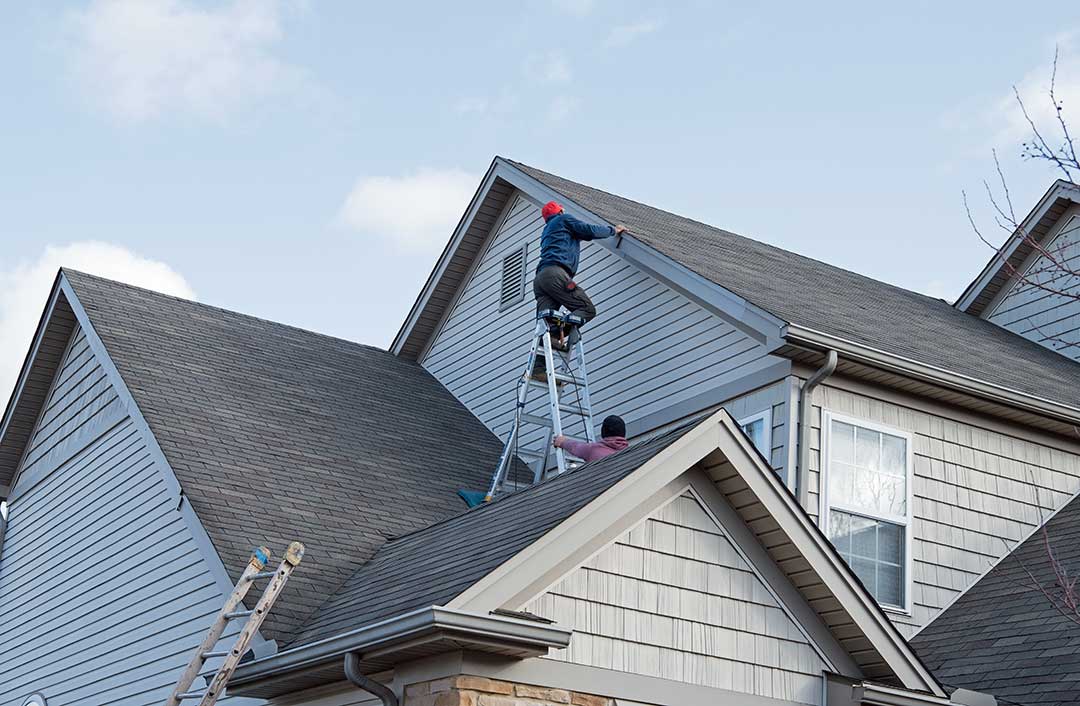
If you spot any of these, schedule an inspection regardless of how recently your last check was completed.
What if You Recently Replaced or Repaired Your Roof?
Many believe a new roof in Latham guarantees worry-free years ahead. While modern materials last longer, inspections after big storms and at recommended intervals remain wise. Early catch of installation defects, equipment damage, or storm-related punctures can save hassle, particularly before warranty periods end.
Even minor work such as replacing flashing or vent boots can affect water tightness. Always re-inspect after severe weather regardless of when your roof was last serviced.
How Do Local Regulations or Insurance Policies Affect Timing?
While Latham does not individually mandate regular residential roof inspections, local building codes require permits for large repairs or replacements. Insurance policies, however, often now include clauses that encourage annual or post-storm inspections to maintain coverage.
Many claims for wind or hail damage require documentation of roof condition before severe weather occurred. Routine inspections with written notes or photos will simplify future claims and help prevent disputes with adjusters.
What About Rental and Multi-Family Properties?
Landlords and property managers in the city are responsible for maintaining safe, habitable housing. Annual roof inspections for rentals or multi-family units help meet state requirements for housing maintenance and protect investments from avoidable damage.
Can You Do It Yourself or Should You Seek Professional Help?
Basic, ground-level checks can be safely done by most homeowners: scan for missing shingles, sagging lines, or clogged gutters from the yard. Use binoculars for a closer look at high areas.
For potentially hazardous conditions—such as electrical wiring near the roof, visible mold, or areas with overhanging tree limbs—consider consulting a qualified inspector. Never climb on steep, wet, or icy roofs.
How Do Local Conditions Make Latham Homes Unique?
Roofs in Latham face a mix of old and newer construction, tree-lined neighborhoods, and open, wind-prone lots near busy roads. Accumulated debris in valleys and gutters, ice damming along north-facing slopes, and shade-related moss growth are more common than many residents expect.
Awareness of these local stressors helps determine your best timing: after major storms, at seasonal change-overs, and at least every 12 months for most area households.
