

What Is Roof Decking and Why Does It Matter?
Roof decking, also known as sheathing, is the structural foundation of any roof. It is a flat surface—usually made from wooden boards or panels—that provides a stable base for all other roofing materials. The deck supports shingles and underlayment, helps maintain building integrity, and can influence how well a home handles moisture, snow, and wind.
Many homeowners in Latham, NY may only think about their roof’s outside layer, but the decking is what makes a roof safe and effective year-round.
Which Types of Roof Decking Are Most Common in Latham Homes?
Most houses in the city use either plywood or oriented strand board (OSB) for their roof decking. Both are engineered wood products, but with key differences:
- Plywood: Made by gluing together thin sheets of wood. It’s known for durability and can resist swelling under moderate moisture.
- OSB: Manufactured from compressed wood strands and resin. It is usually less expensive than plywood and performs similarly under normal conditions.
Historic houses or older homes in Latham may have traditional plank decking—long, solid boards usually installed before modern sheet goods became widely available.
What Should Residents Look for When Evaluating Roof Decking Condition?
You can often spot early signs of decking problems from inside the attic or when removing old shingles:
- Sagging or bowing in the roofline may signal weakened or rotting decking.
- Dark stains or mold in the attic can mean moisture has been trapped above.
- Soft spots when walking on the roof indicate water-damaged wood.
- Nail pops—nails that lift above the roof plane—may be a sign that the decking underneath is failing.
Addressing these signs quickly can help prevent more extensive repairs and protect home interiors from water damage, especially during wet fall and spring seasons.
How Does the Local Climate Affect Roof Decking in Latham?
Latham’s seasonal extremes—snowy winters, freeze-thaw cycles, and humid summers—pose particular challenges for roof decking:
- Prolonged snow cover can lead to ice dams, pushing water under shingles and onto the deck.
- Sudden spring thaws may reveal leaks caused by winter roof stress.
- High humidity in late summer can encourage condensation in poorly ventilated attics, which risks deck rot over time.
Area residents benefit from proper attic ventilation and insulation to keep the deck dry and reduce the potential for condensation or ice damming.
Is It Always Necessary to Replace Roof Decking During a Reroof?
Not every roof replacement requires new decking. If existing boards remain strong, free of rot, and properly fastened, they can usually be reused with a new layer of shingles. Roofers in the area typically inspect decks for:
- Wood softness, decay, or major gaps between boards
- Improper fastener holding
- Visible mold or severe water staining
If only small sections are damaged, those may be replaced individually. However, comprehensive rot or widespread mold may require a full deck replacement. Removing all roofing down to the deck for a full assessment is standard practice during most complete roof replacements to ensure a healthy roof structure.
Can Roof Decking Be Upgraded or Improved?
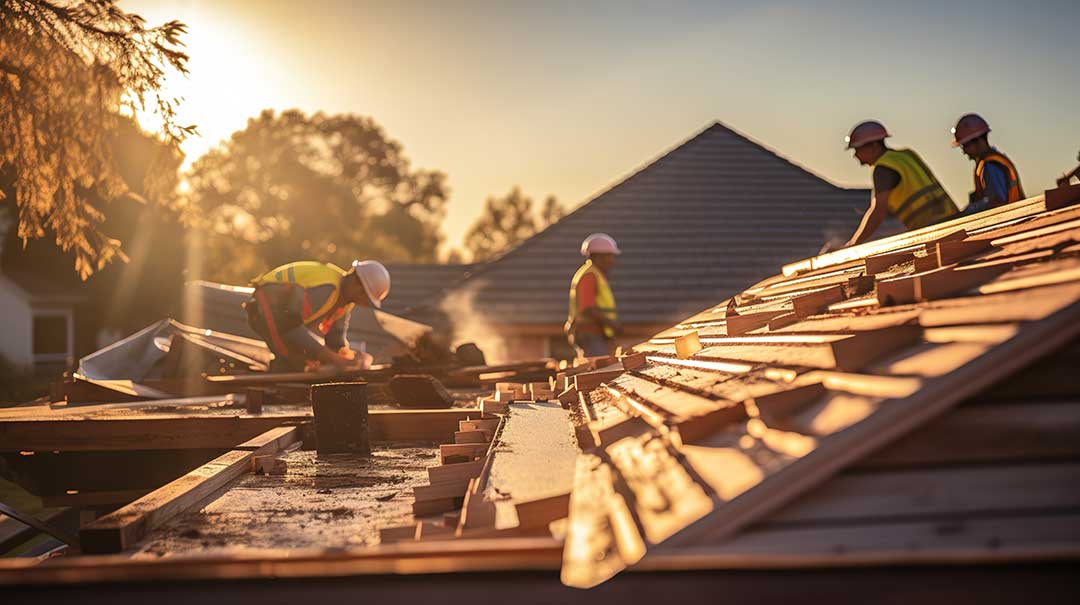
Homeowners interested in energy efficiency or added protection often wonder if roof decking can be upgraded. Options include:
- Using moisture-resistant plywood or OSB for new installations
- Installing a radiant barrier or foil-faced products to reflect summer heat in attics
- Ensuring tight seams and proper nailing patterns for harder-to-reach leak-prone areas like valleys and eaves
Local building codes also have specific requirements about the minimum thickness and fastening methods for decking, so upgrades must always meet or exceed these standards for occupant safety.
What Are Common Misconceptions About Roof Decking?
Many people believe that shingles alone protect a home, but the roof deck is the main structural safeguard. Other common misconceptions include:
- Older deck boards can always be reused. In reality, wood’s structural capacity may decline with age, moisture exposure, or insect damage.
- New shingles fix leaks. Shingles can only keep water out if the deck underneath is sound.
- More decking layers are better. Multiple layers of decking (such as overlaying new boards on top of old) can trap moisture and add excess weight, sometimes doing more harm than good.
Education about the roof’s full assembly can help Latham residents make informed decisions, especially when planning repairs or improvements.
How Can Residents Monitor Roof Decking Health Over Time?
Proactive local homeowners can maintain roof decking in good condition by:
- Monitoring the attic for humidity and leaks, especially after spring rains or heavy snow
- Clearing gutters and downspouts to avoid water pooling on the roof edge
- Replacing worn or damaged shingles promptly to reduce risks to the deck
Seasonal self-checks and basic upkeep are usually sufficient for most households unless there is evidence of structural problems or major storm damage.
