

Why Do Residents of Latham, NY Need to Care About Humidity and Roofing?
Humidity plays a significant role in how roofing materials age and perform. In the Capital Region, shifts between humid summers and cold, wet winters put unique pressures on roofs found throughout Latham, NY neighborhoods. Residents often notice issues, such as curling shingles or discoloration, which are sometimes linked to humidity rather than material defects.
Understanding how local weather patterns — especially sustained humidity — interact with different roofing types helps area households make more informed maintenance and repair decisions.
How Does Humidity Affect Asphalt Shingles and Other Common Roofing Materials?
Asphalt shingles, a staple on many Latham, NY homes, are highly susceptible to moisture changes. Consistent high humidity can:
- Cause asphalt shingles to swell, leading to warping or cupping over time.
- Encourage the growth of algae, moss, and lichens, resulting in black streaks or greenish stains.
- Weaken the adhesive holding shingles in place, especially after repeated summer rainstorms or muggy nights.
Wood shakes and cedar shingles, also used on older properties, can absorb excess moisture during humid spells. This absorption:
- Promotes wood rot and fungal decay.
- Leads to swelling, splitting, or premature cracking.
- Attracts insects that thrive in damp, organic materials.
Metal roofs respond differently to humidity. While not prone to rot, condensation trapped beneath panels or at seams can lead to rust or corrosion, especially if protective coatings wear thin, a consideration for barns and newer residential builds in the area.
Clay and concrete tiles see less direct impact from humidity but can still experience moss growth in damp, shaded sections, especially on north-facing slopes.
What Visible Signs Indicate Humidity Problems on a Roof?
Residents often ask what they should look for after particularly humid periods. The most reliable signs include:
- Curled, buckled, or blistered shingles
- Dark streaks or patches, especially in shaded areas
- Soft spots or sagging in wood shakes
- Green moss or algae flourishing along roof valleys or near gutters
In attics or roof cavities, excess humidity may cause musty odors or visible mold on the underside of the roof deck. Dripping or persistent dampness in insulation can also signal that rooftop humidity is penetrating below the surface.
Can Humidity Damage Be Prevented or Minimized?
Some humidity exposure is unavoidable in Latham, but there are ways to slow damage:
- Keep gutters clean, promoting fast drainage and reducing standing water near roofing edges.
- Trim tree limbs that shade roof sections, lowering humidity buildup and increasing airflow.
- Ensure attic spaces are properly ventilated with functioning soffit or ridge vents, helping moisture escape instead of condensing.
- Inspect roofs annually — especially after humid summers — for signs of algae, rot, or moisture retention.
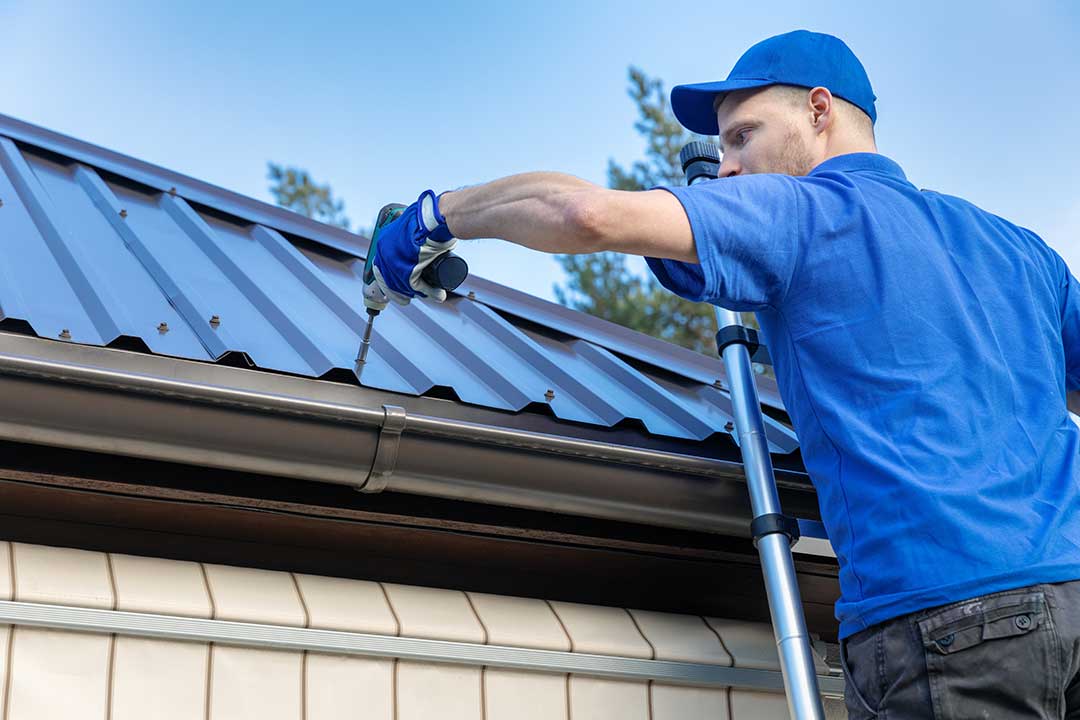
These steps allow families to address early warning signs before more costly problems develop, especially when transitioning from Latham’s muggy summers to late autumn’s increased rainfall.
What Roofing Materials Handle Humidity Best in This Area?
Metal and well-sealed synthetic roofing materials often outperform traditional asphalt or wood in humidity-prone zones. Their smoother surfaces and engineered coatings make it harder for moisture, moss, and algae to take hold.
For those with existing shingle roofs, enhanced algae-resistant asphalt shingles offer some added protection but will not eliminate all risks associated with persistent humidity.
Regular maintenance — such as gentle cleaning of debris and selective application of anti-moss solutions — can help maximize the lifespan of any roofing material in the region’s variable climate.
Are There Common Myths About Humidity and Roof Damage?
A frequent misconception is that roof damage only comes from storm events or poor installation. In reality, many roofing problems in the city emerge slowly due to repeated cycles of high humidity, dew, and mild rainfall, especially when not paired with thorough ventilation.
Another overlooked factor is the impact of household habits. For instance, venting bathroom and kitchen fans into the attic can introduce additional moisture, intensifying the effects of outdoor humidity on both the structure and insulation.
Area residents sometimes hear that “moss is harmless” or that light discoloration is purely an aesthetic issue. In fact, moss holds moisture close to roof surfaces and can accelerate deterioration, while dark streaks may indicate microbial growth that weakens roofing over time.
What Should Residents Do After Noticing Roof Humidity Issues?
Spotting the early signs of humidity damage doesn’t always mean a roof needs major intervention. In many cases, local homeowners can:
- Gently remove visible moss or algae using non-abrasive methods, being careful not to lift or damage shingles.
- Improve attic airflow to release trapped moisture.
- Replace missing or deteriorated shingles in small sections for continued protection.
- Monitor for changes with the seasons, particularly after late-summer humidity spikes.
If the problem extends deeper — such as evidence of structural rot, advanced mold growth in the attic, or recurring leaks — prioritizing safety and building code compliance is crucial. These situations may require a thorough assessment to avoid ongoing health or structural risks.
