
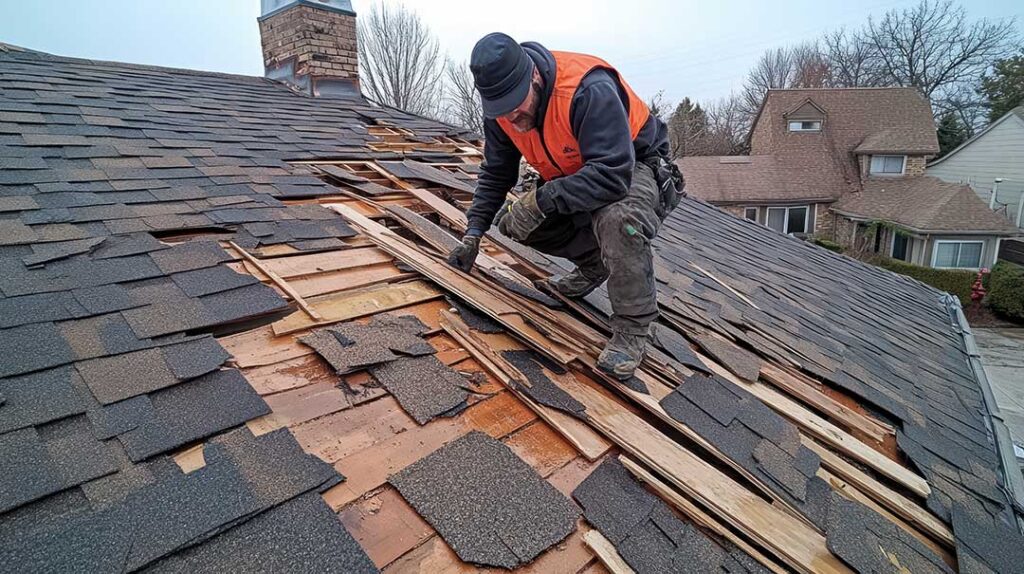
What New Materials Are Shaping Roofing in Latham, NY?
Residents in Latham, NY are seeing a shift in roofing options due to significant progress in construction materials. The adoption of modern products has altered the way local roofs are built, repaired, and maintained.
Many area homes traditionally use asphalt shingles, but newer choices like architectural shingles, metal roofing panels, and synthetic slates are gaining attention. These materials often last longer, withstand Latham’s variable weather, and offer improved fire and wind resistance compared to older types. Some residents are interested in materials that reflect sunlight and help lower attic temperatures in summer, such as cool roof shingles and reflective membranes.
Key innovations include:
- Architectural asphalt shingles: Thicker and layered for enhanced hurricane-wind resistance.
- Metal panels: Standing seam and coated steel options are less likely to develop leaks in the freeze-thaw cycles common during regional winters.
- Synthetic shingles: Composite tiles and rubber-based shakes replicate the look of slate or wood but resist cracking and moss growth.
- Cool roofing: Surfaces designed to reflect heat can reduce energy needed for air conditioning, especially during warm, humid local summers.
Modern materials also tend to have longer manufacturer warranties and better performance against algae, which is a common concern under Latham’s sometimes damp and shady summer conditions.
How Has Roof Installation Changed with New Technology?
Contemporary techniques are making replacements easier and less disruptive for households. The use of advanced tools, digital apps, and drones means a more precise fit for materials and less guesswork for contractors.
A few changes that affect area property owners:
- Precise measurements: Laser-guided tools and drone mapping produce accurate diagrams of roof dimensions.
- Improved underlayments: Self-sealing membranes that prevent leaks are tailored for regions like Latham, NY where snow and ice dams cause water backup.
- Nail and fastener systems: Updated fastening equipment reduces the risk of wind or freeze damage to the finished roof.
- Eco-friendly practices: Debris recycling and reduction of landfill waste through new tear-off and disposal techniques.
Some residents are surprised to learn that roof replacements can now be done more efficiently, sometimes reducing the install time even for large or complex structures.
Are There Smart or Solar Roof Options for the Local Climate?
Homeowners in the city are increasingly asking about “smart” roofing systems and solar panel integration, especially as energy-conscious upgrades become more affordable. The local climate—with both snowy winters and sunny, humid summers—presents unique challenges and opportunities for these advanced installations.
Solar roofing technology has become more robust, allowing for both full solar tiles and discreet panel installations on sloped and flat surfaces. Systems are designed to bear the weight of snow loads, typical in Latham from late fall to early spring, and to withstand the region’s hail or high-wind storms. Local solar configurations often include heating mechanisms to prevent winter snow buildup from blocking energy absorption.
Smart monitoring systems can track leaks, ventilation, and attic moisture. Some units use sensors to detect ice dams and alert homeowners before damage occurs. Smart vents help regulate attic temperature and humidity via smartphone apps, helping to reduce issues with condensation and mold in area homes.
What Do Sustainable Roofing Trends Mean for Area Residents?
Sustainability is a growing priority for many in Latham. New roofing materials and assembly approaches make it easier to choose options that are recyclable, longer-lasting, or that help cut household energy use.
Examples with local relevance:
- Roofs made from recycled content, like rubber or plastics.
- Products rated for solar reflectance that can help manage summer cooling costs.
- Lighter-color shingles that slow heat absorption, especially important for attics facing direct afternoon sun.
- Modular and “green” roofing systems that support vegetative layers or rainwater capture, although these are more commonly found on institutional or commercial buildings in the area.
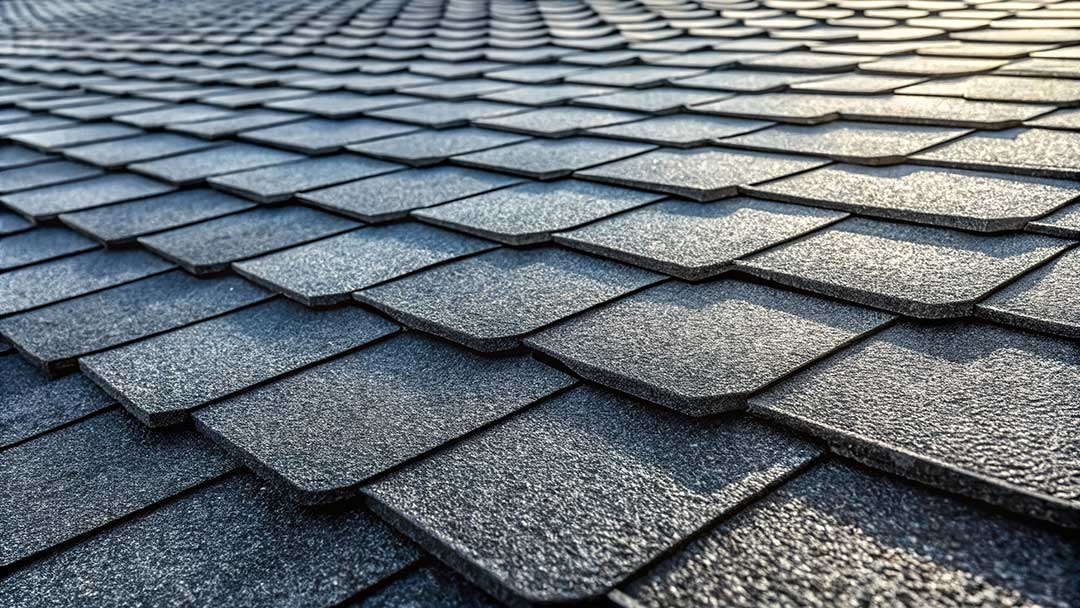
Interest in these options is often prompted by longer-term cost savings, local building code incentives, and rising awareness about stormwater runoff and urban heat islands.
Are There Misconceptions About Roofing Technology in Latham?
Several myths persist in the region related to new roof products and methods. Clear information helps avoid costly mistakes:
- Not every new material is right for every home—local building codes and structural issues (like roof pitch or attic ventilation) still matter.
- Metal roofs do not attract lightning; their main advantage is durability in winter ice and wind.
- Solar panels do not necessarily require south-facing roofs; modern systems can work efficiently on a range of orientations and pitches.
- Cool roofs are not just for hot climates. Even in Latham, reflective roofs can contribute to heating and cooling efficiency throughout the year.
What Should Residents Know Before Considering Upgrades?
Before deciding on advanced upgrades or a new roof in the city, a few key steps are recommended:
- Check with the local municipality for updated building codes, especially for solar and eco-friendly systems.
- Assess attic insulation and ventilation along with roofing material choice—these work together to manage seasonal moisture and heat issues.
- Review manufacturer specifications for regional weather performance, especially snow load and wind ratings.
- Keep in mind local wildlife when considering roof ventilation layouts or green roofs, as some design choices may attract critters.
- Plan around the typical weather window for construction, ideally spring through fall for major projects.
Smart planning helps ensure that new roofing technologies offer both immediate and lasting value to area households, with less risk of regret or unwanted surprises down the line.
