
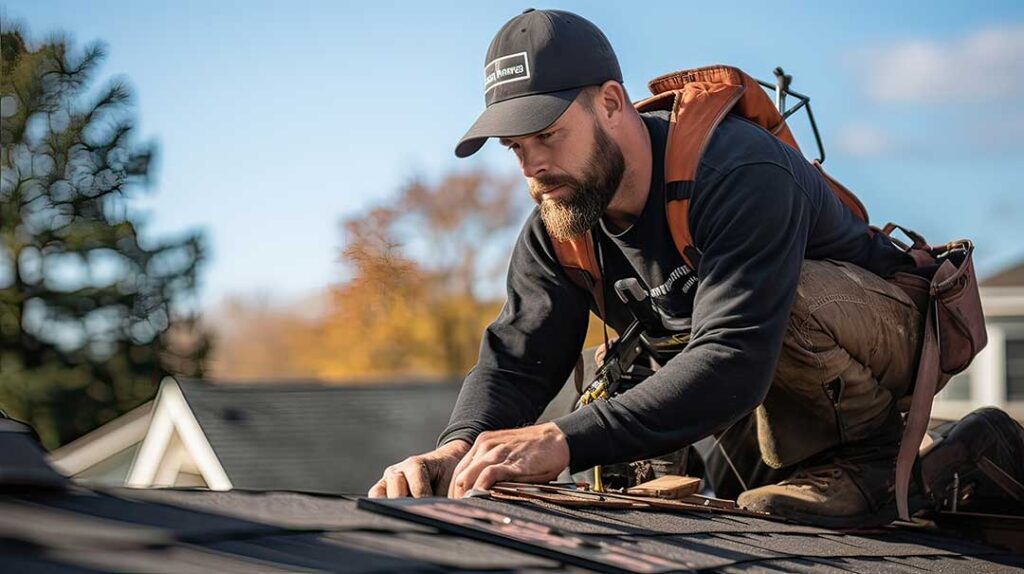
Roof decking, also called roof sheathing, is the structural layer beneath shingles or other roofing materials. It creates a base for the roof covering and helps transfer the weight of snow, ice, wind, and maintenance activity to the framing below.
In Latham, NY, roof decking can be affected by repeated freeze-thaw cycles, heavy snow, ice dams, wind-driven rain, and moisture that remains hidden beneath shingles. Problems are often easier and less costly to address when noticed before a section becomes unsafe.
What is roof decking, and why does it matter?
Roof decking is usually made from plywood or oriented strand board installed over the roof rafters or trusses. The shingles or other exterior covering are attached above it, while insulation and attic ventilation are located below.
Decking can lose strength when it stays wet for extended periods. Water may enter through damaged shingles, aging flashing, roof penetrations, ice dams, or improperly sealed joints. A small leak does not always produce an immediate ceiling stain; the moisture may first affect the decking, fasteners, insulation, or framing.
Sound decking should remain firm, relatively flat, and securely attached. It should not feel soft, sag between rafters, or show widespread swelling or deterioration.
Which warning signs can be seen from inside the attic?
The attic often provides the clearest view of roof decking because the underside is exposed. Look for changes that appear after rain, snow, or a cycle of freezing and thawing.
Common warning signs include:
- Dark stains or water marks on the underside of the sheathing
- Soft, crumbly, or swollen wood
- Mold-like surface growth caused by persistent moisture
- Rusted nails or fasteners
- Daylight visible through areas that should be enclosed
- Damp insulation near the roof surface
- Drips or wet spots after precipitation
- Sagging between rafters or trusses
A single old stain does not prove that active leakage is occurring, but it indicates that moisture has been present. The surrounding area should be checked for current dampness, wood deterioration, and the likely entry point.
Avoid stepping directly on the decking if it looks swollen, damaged, or unusually flexible. Attic flooring, where present, is not the same as roof decking, and the spaces between framing members may not support a person.
What can roof decking problems look like from outside?
Exterior clues are not always specific, but they can help identify areas that deserve closer inspection. A roof surface that appears uneven may reflect damaged decking underneath, although worn shingles, poor installation, or framing movement can create similar patterns.
Look for:
- A dip, hump, or wave in the roof plane
- Shingles that appear uneven or do not lie flat
- Areas where fasteners are backing out
- Repeatedly damaged shingles in the same location
- Roof sections that hold water after rain
- Exposed wood at eaves, rakes, or unfinished edges
- Granule loss concentrated below a damaged area
A small visual irregularity may not mean the decking has failed. However, a soft-looking or visibly sagging section should not be dismissed, especially if it is near a chimney, roof valley, skylight, vent, or other location where water commonly collects or changes direction.
Can a ceiling stain mean the decking needs replacement?
It can, but not always. A ceiling stain confirms that water reached the interior at some point; it does not identify how far the water traveled or whether the decking is structurally weakened.
Water can move along rafters, roof underlayment, insulation, or electrical pathways before appearing indoors. The ceiling stain may therefore be several feet away from the actual roof opening. A small stain could come from a brief leak, while a larger or recurring stain may indicate ongoing moisture exposure.
After a leak, the decking should be evaluated for:
- Softness or loss of thickness
- Delamination, where plywood layers separate
- Swelling around fasteners
- Rot near roof edges or penetrations
- Discoloration that continues to expand
- Moisture trapped beneath underlayment or shingles
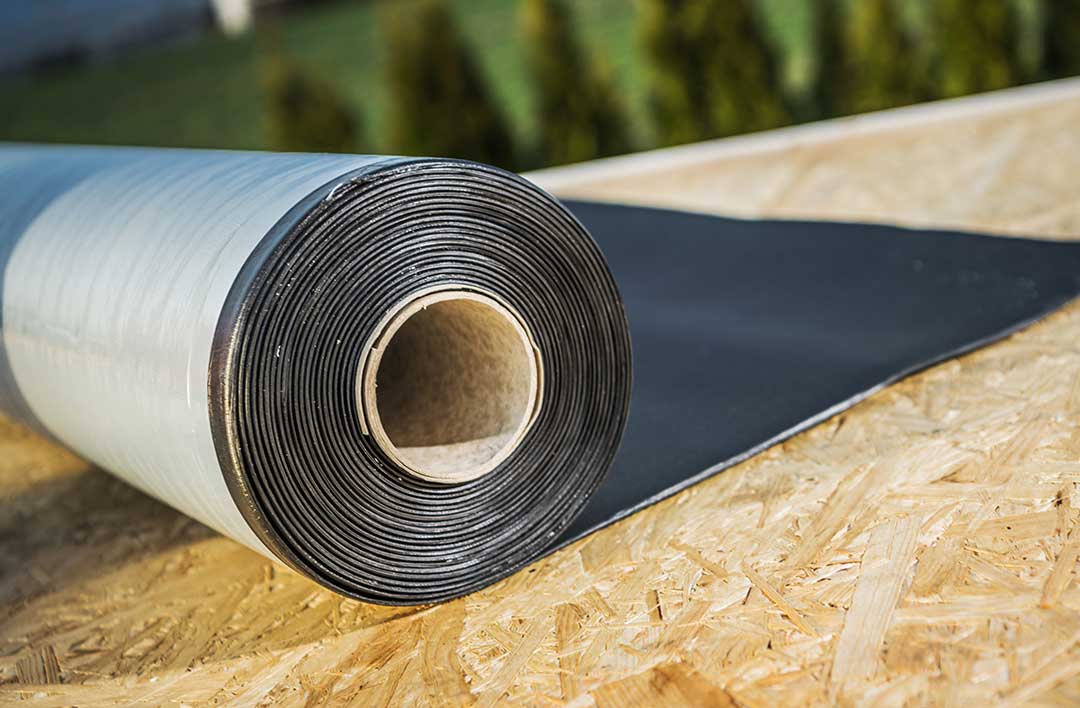
Painting over an interior stain only hides the visible evidence. The source and any affected wood still need attention.
How do snow and ice affect roof sheathing in Latham?
Snow itself does not automatically damage roof decking. Roof structures are designed for expected loads, but problems can develop when heavy accumulation combines with weakened materials, blocked drainage, drifting snow, or repeated moisture entry.
Ice dams are another concern. They can form when heat escapes into the attic and melts snow on the warmer upper roof. The water may refreeze near the colder eaves and back up beneath shingles. Repeated cycles can wet the decking, roof edges, insulation, and interior finishes.
After a major snow or ice event, warning signs include new ceiling stains, dripping during a thaw, unusually deep roof-edge icicles, or a visible sag in the roofline. Roof-edge damage deserves prompt attention because the eaves and lower decking are often among the first areas affected by recurring wetting.
What is the difference between surface damage and structural damage?
Surface damage affects the roof covering, while structural damage affects the decking or framing beneath it. A few cracked or missing shingles may allow water in without immediately weakening the sheathing. Conversely, decking may already be deteriorated even when the shingles look acceptable from the ground.
Indications that the issue may extend below the roof covering include:
- A soft area underfoot, if safely observed from a stable surface
- A depression that remains after repairs to the shingles
- Multiple layers of wet or deteriorated roofing material
- Repeated leaks in the same location
- Fasteners that no longer hold securely
- Visible separation between plywood layers
- Sagging that follows the line between framing members
Structural damage should not be judged by appearance alone. Roof decking supports people performing maintenance, so weakened areas create a fall hazard as well as a leakage problem.
When is damaged decking a safety concern?
A roof or attic should be treated as hazardous when there is visible sagging, widespread rot, active leaking near electrical equipment, a large area of missing material, or uncertainty about where it is safe to step.
Do not walk on a roof section that feels soft, appears sunken, or has extensive water damage. Do not enter an attic during active leaking, severe weather, or when the ceiling below is bulging. A bulging ceiling can collapse under accumulated water and should be kept clear until the source is addressed safely.
Qualified roofing or structural personnel may be necessary when decking has lost strength, when repairs require removing roof coverings, or when the condition affects framing. The need is based on safety and the extent of damage, not simply on the age of the roof.
What maintenance helps prevent decking damage?
Roof decking lasts longer when water is directed away from the structure and attic conditions remain reasonably dry. Useful preventive steps include keeping gutters and downspouts clear, watching for damaged flashing, maintaining attic ventilation, and checking for signs of condensation during cold weather.
It also helps to inspect the roof after major wind, hail, snow, or ice events. Pay particular attention to roof valleys, penetrations, eaves, and areas where previous leaks have occurred.
The most reliable early warning is not always a dramatic collapse or large interior stain. A recurring damp spot, musty attic odor, rusted fastener, or slight roof depression can indicate that moisture has reached the decking and should be investigated before the affected area becomes larger.
