
What Are the Basic Parts of a Roof?
Every roof is made up of several key components that work together to protect a home. The most common terms residents encounter include:
- Shingles – These are the outermost, often visible, pieces covering the roof. In Latham, both asphalt and architectural shingles are common due to their durability in the region’s freeze-thaw cycles.
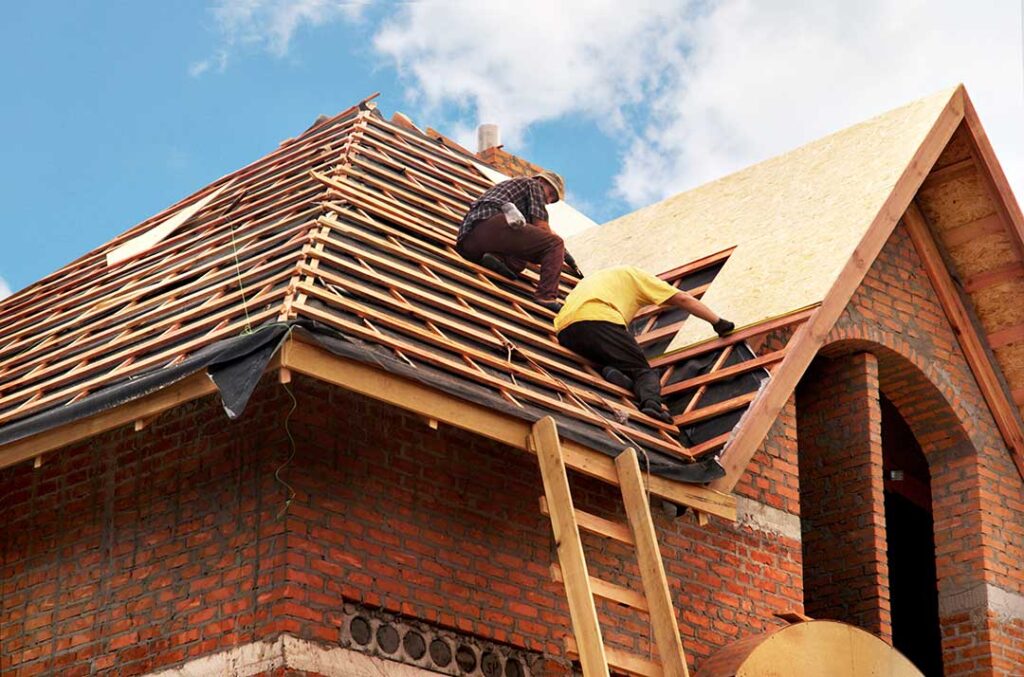
- Decking (Sheathing) – The flat panels, usually made of plywood or oriented strand board (OSB), attached to the roof’s frame. All other roofing materials are installed above this layer.
- Underlayment – A protective barrier, often a synthetic sheet or felt, laid between the decking and shingles. It provides extra waterproofing, which is critical during wet or snowy periods.
- Rafters and Trusses – These are the structural supports that form the skeleton of the roof. Rafters are traditional beams, while trusses are pre-fabricated frameworks commonly used in newer homes.
- Flashing – Thin metal strips installed around roof edges, chimneys, skylights, or anywhere two roof surfaces meet. Its main job is to prevent water infiltration at seams and joints.
Why Is Ventilation Important for Local Roofs?
Proper ventilation lets air circulate through the attic, helping balance temperatures and moisture. Even though winters may make this seem less urgent, poor attic airflow can cause:
- Condensation on wood structures, leading to mold or rot.
- Ice dam formation, where melting snow refreezes at roof edges, causing water to back up under shingles.
- Shortened lifespan for shingles and other roofing elements.
Common ventilation terms include:
- Soffit Vents – Located under eaves, they draw in cooler outside air.
- Ridge Vents – Run along the peak of the roof, allowing warm, moist air to escape naturally.
What Do Common Roofing Terms Like Eave, Fascia, and Valley Mean?
- Eave – The lowest edge of the roof, usually where it meets or extends past an exterior wall. Eaves often include gutters and soffits.
- Fascia – The vertical board located at the eave, where gutters are attached. This part is visible from street level and needs protection against local rain and snow.
- Valley – The internal angle where two roof slopes meet. Valleys direct large volumes of water, requiring extra care to prevent leaks, especially during Latham’s heavy rain and snow melt.
How Do Roofing Materials Differ?
Besides shingles, area homes may use:
- Metal Roofing – Often seen on newer additions or outbuildings due to its durability and ability to shed snow.
- Slate or Tile – Less common, but can be found on historic homes. These materials are long-lasting but require strong support due to their weight.
- Rolled Roofing – Used mostly for flat or low-slope roofs, such as porches or sheds.
Choosing the right material sometimes depends on local building codes and historic district requirements, especially for older homes in Latham.
What Issues Do Roofers Check For During Inspections?
A roof inspection isn’t just about missing shingles. Common terms you might hear during a visit include:
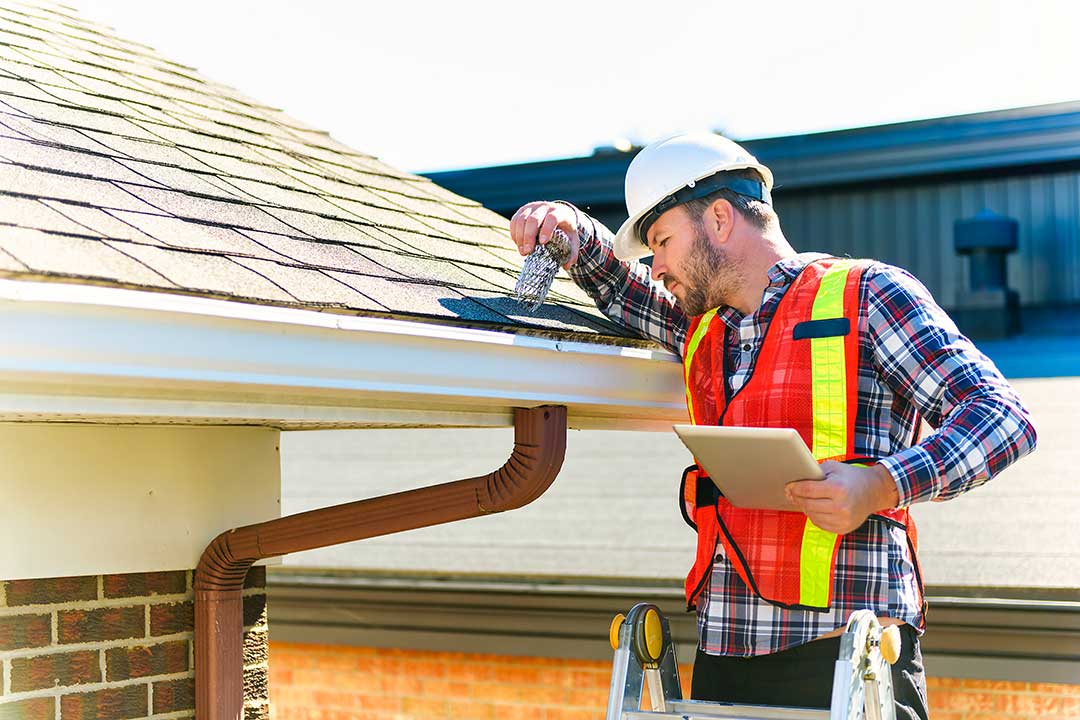
- Blistering – Bubbles or raised spots, usually in shingles, caused by moisture or poor ventilation.
- Granule Loss – The tiny pieces on asphalt shingles that protect against UV and weather; their loss indicates aging.
- Curling – Shingle edges turn upwards, often from weather exposure, age, or poor attic ventilation.
- Delamination – Layers of roofing material seeping apart, visible as splitting or peeling on shingles or underlayment.
How Does Ice and Water Shield Help in Local Winters?
"Ice and water shield" is a self-adhering membrane that seals around nails. In climates like Latham, this barrier is crucial along eaves, valleys, and around penetrations like chimneys or vents. It helps prevent leaks from ice dams by acting as a waterproof layer in the spots most at risk for backup and seepage.
What Are Common Misunderstandings About Roofing Language?
Some roof-related words are routinely misused:
- The term "lifetime" on shingles does not mean forever; it often refers to a prorated warranty period, which may be around 20-30 years.
- “Square” in roofing means a 100-square-foot area, not a geometric shape.
- Not every roof “repair” means shingle replacement; sometimes flashing, underlayment, or vent improvements are needed instead.
What Should Area Homeowners Know About Roofing Permits and Regulations?
Latham requires permits for most major roofing work. Familiar terms here:
- Re-roofing – Adding a new layer over an existing roof, only allowed in limited circumstances before full tear-off is needed.
- Tear-off – Removing all old roofing layers before installing new materials. Regulations often require tear-off for roofs with multiple existing layers or significant damage, a situation often found in older housing stock.
- Code Compliance – Ensures that roofing materials and installation methods meet current safety and performance standards for the region’s weather.
Making sure work is up to code protects homeowners from issues with insurance, resale, and long-term safety.
