
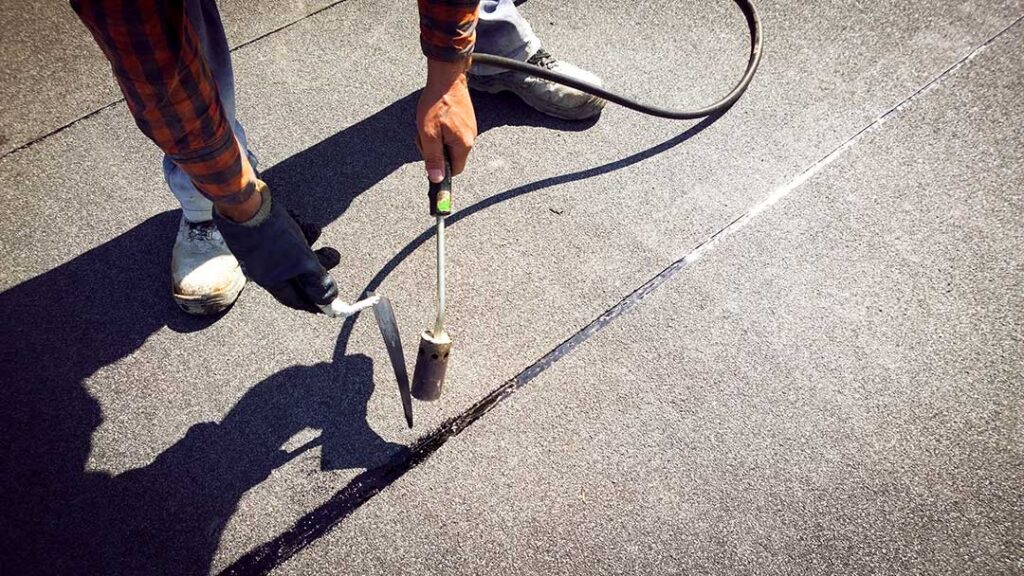
Strong wind can damage a roof without leaving an obvious hole or removing large sections of shingles. In Latham, NY, gusts associated with thunderstorms, winter weather, and passing storm systems may loosen roofing materials, expose vulnerable edges, and create problems that become more serious during the next rain or freeze.
Understanding what wind does to a roof helps residents recognize warning signs early and avoid unsafe inspections.
How does severe wind damage a roof?
Wind damage usually begins when air gets underneath a roofing component. Once that happens, the material can lift, crease, tear, or pull away from its fasteners.
The most vulnerable areas are often:
- Shingle edges and corners
- Roof ridges and hips
- Valleys where two roof sections meet
- Flashing around chimneys, vents, and skylights
- Eave and rake edges
- Gutters, downspouts, and roof-mounted equipment
A roof does not need to lose an entire section of shingles to be compromised. A single lifted shingle can allow water beneath the surrounding layers, especially during wind-driven rain.
Wind pressure is not evenly distributed across a roof. The edges and corners generally experience stronger uplift than the central field of the roof. This is why damage may appear concentrated along the perimeter even when the middle of the roof looks undisturbed.
Which roofing materials are most affected?
Asphalt shingles are common on local homes and can be affected by both direct wind force and age-related weakening. Older shingles may become brittle, lose their protective surface granules, or develop weakened adhesive seals. These conditions make it easier for gusts to lift tabs or tear shingles.
Other roof materials have different wind-related concerns:
- Metal roofing: Panels may bend, loosen at seams, or lose trim and flashing if fasteners or edge details fail.
- Wood roofing: Splits, lifted pieces, and decay can make individual sections more vulnerable.
- Rubber or membrane roofing: Punctures, seam separation, and edge lifting may occur, particularly on low-slope sections.
- Tile or slate: Individual units can crack, shift, or fall, creating hazards below even when the overall roof remains covered.
The condition and installation of a roof often matter as much as the material itself. Proper fastening, sound flashing, sealed penetrations, and secure perimeter details help a roof resist wind more effectively.
What are the signs of wind damage?
Some evidence is visible from the ground, while other signs appear inside the home. A careful visual check can identify concerns without climbing onto the roof.
Look for:
- Shingles that are curled, raised, missing, or out of alignment
- Dark or irregular patches on the roof surface
- Fresh granules in gutters or near downspouts
- Loose metal flashing
- Bent vents, damaged ridge caps, or displaced covers
- Sagging gutters or downspouts
- Tree limbs resting on the roof
- Water stains on ceilings or upper walls
- Damp insulation, musty odors, or unexplained indoor moisture
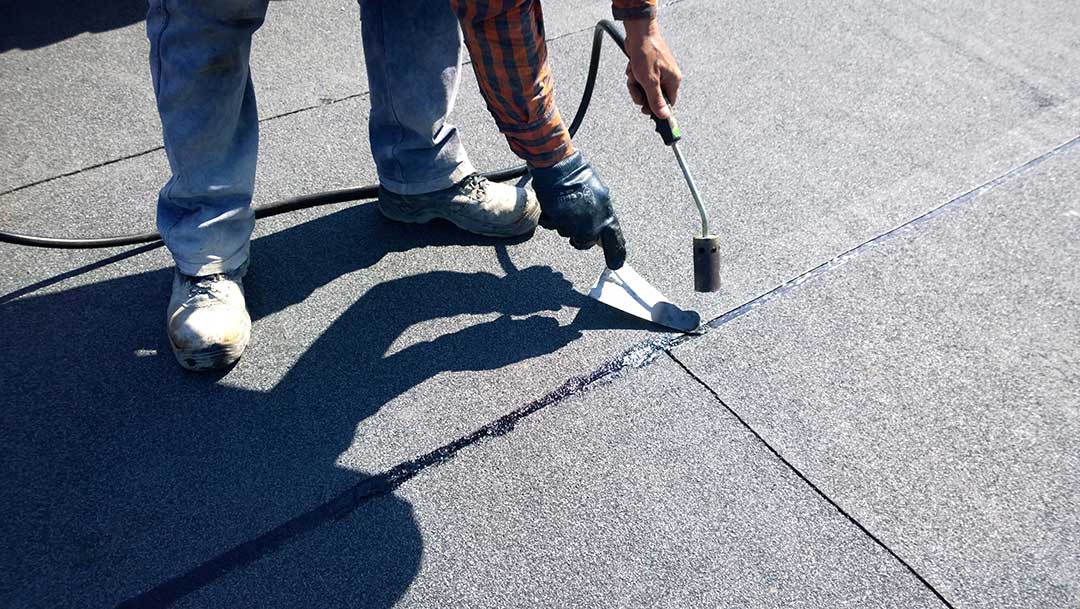
A shingle may appear to be in place but still have a broken seal underneath. For that reason, the absence of missing shingles does not prove that the roof escaped damage.
After a major storm, nearby debris can also provide clues. Shingle fragments, pieces of flashing, or unfamiliar roofing materials in the yard may indicate that part of the roof or a neighboring structure was affected.
Why can a small wind problem lead to a larger leak?
Roofing systems work as overlapping layers. The outer surface sheds most water, while underlayment, flashing, and roof decking provide additional protection. Wind can disturb this system at one small point, allowing water to travel beneath the visible surface.
A leak may not appear directly below the damaged area. Water can move along roof decking, rafters, insulation, or interior framing before reaching a ceiling. This explains why an indoor stain may develop several feet away from the original exterior problem.
Storm damage can also remain dormant for days or weeks. A lifted shingle may not leak during a light rain but may allow moisture inside during a later storm with stronger wind or wind-driven precipitation. Freeze-thaw conditions can then enlarge cracks or openings as trapped water expands.
What should residents do immediately after high winds?
Safety should come before roof inspection. Do not climb onto a wet, steep, icy, or visibly damaged roof. Hidden structural damage, loose materials, and downed electrical lines can create serious hazards.
From ground level, note any visible changes and take photographs if conditions are safe. Inside the home, place a container beneath active dripping and move furniture or belongings away from the affected area. Do not puncture a ceiling that is bulging with water; the weight may indicate a larger concealed leak.
If a tree, large branch, or other object has fallen onto the roof, keep people away from the area below. Structural damage may not be visible from inside the home. Electrical hazards also require extra caution if water is near light fixtures, outlets, wiring, or electrical equipment.
Temporary coverings can reduce additional water entry, but roof access may be unsafe for residents. Hazardous conditions are a reason to seek qualified assistance rather than attempt a do-it-yourself repair.
Can wind damage occur without a storm warning?
Yes. A formal severe-weather warning is not required for a roof to sustain damage. Localized gusts, thunderstorm outflows, and strong winds moving around buildings or across open areas can affect individual homes differently.
A roof may also be more vulnerable because of its surroundings. Nearby trees can drop limbs, while taller structures, open lots, and roof shapes can alter wind patterns. Homes with older roofing materials, previous repairs, loose trim, or exposed edges may experience damage during winds that leave other properties unaffected.
Snow and ice can add another layer of risk during colder months. Wind may lift weakened materials, while drifting snow can enter through small openings around flashing, vents, or roof edges.
Does homeowners insurance cover wind damage?
Coverage depends on the policy, the cause of damage, exclusions, deductibles, and the condition of the roof before the event. Wind-related losses are often treated differently from long-term deterioration, poor maintenance, or ordinary aging.
Residents considering an insurance claim should document the date of the storm, visible damage, indoor moisture, fallen limbs, and temporary measures taken to limit further loss. Keep receipts for emergency materials or related cleanup. Avoid discarding damaged roofing components before documentation is complete, unless they present an immediate safety hazard.
An insurer may request photographs, records, or an inspection. Coverage questions are policy-specific, so the insurance documents—not general assumptions—control the outcome.
How can wind resistance be improved before the next storm?
Wind resilience begins with routine maintenance. Keep gutters clear, repair loose flashing, trim branches that could reach the roof, and watch for aging shingles or deteriorated sealants. Attic ventilation and insulation should also be maintained because excessive heat and moisture can shorten the life of roofing materials and weaken roof components over time.
During a roof replacement or significant repair, details matter. Secure edge metal, properly fastened shingles or panels, sealed penetrations, and correctly installed ridge materials all contribute to performance during high winds. Local building requirements may also address fastening and roof construction, particularly for work that involves substantial replacement or structural changes.
A roof inspection is most useful when it is performed safely and with attention to both visible materials and less obvious components such as flashing, underlayment, decking, and attic moisture. Early identification can prevent a limited wind-related defect from becoming an interior water problem during the next storm.
